

Formentera excursions: 5 ways to explore the island
Formentera combines unspoilt nature, crystal-clear water, great food and a laid-back pace of life. Beyond its famous beaches, this small island in the Pitiusas has excursions to suit every taste. One of the best ways to get to know it is boat hire in Formentera: sailing along the coast takes you to coves and views you simply can’t see from land. Here are 5 ways to enjoy Formentera like a local.
1. Explore the best beaches in Formentera
Formentera is famous for its white sand and turquoise water, and many of the island’s best excursions revolve around its beaches.
Ses Illetes: the most famous beach
It lies at the northern tip of the island, on the es Trucadors peninsula, within ses Salines Natural Park. It has been named among the most beautiful beaches in the world more than once. The water is shallow and calm in summer, perfect for swimming, snorkelling or simply lying in the sun. In high season there is a small charge to enter the natural park by car or motorbike; on foot or by bike it’s free.
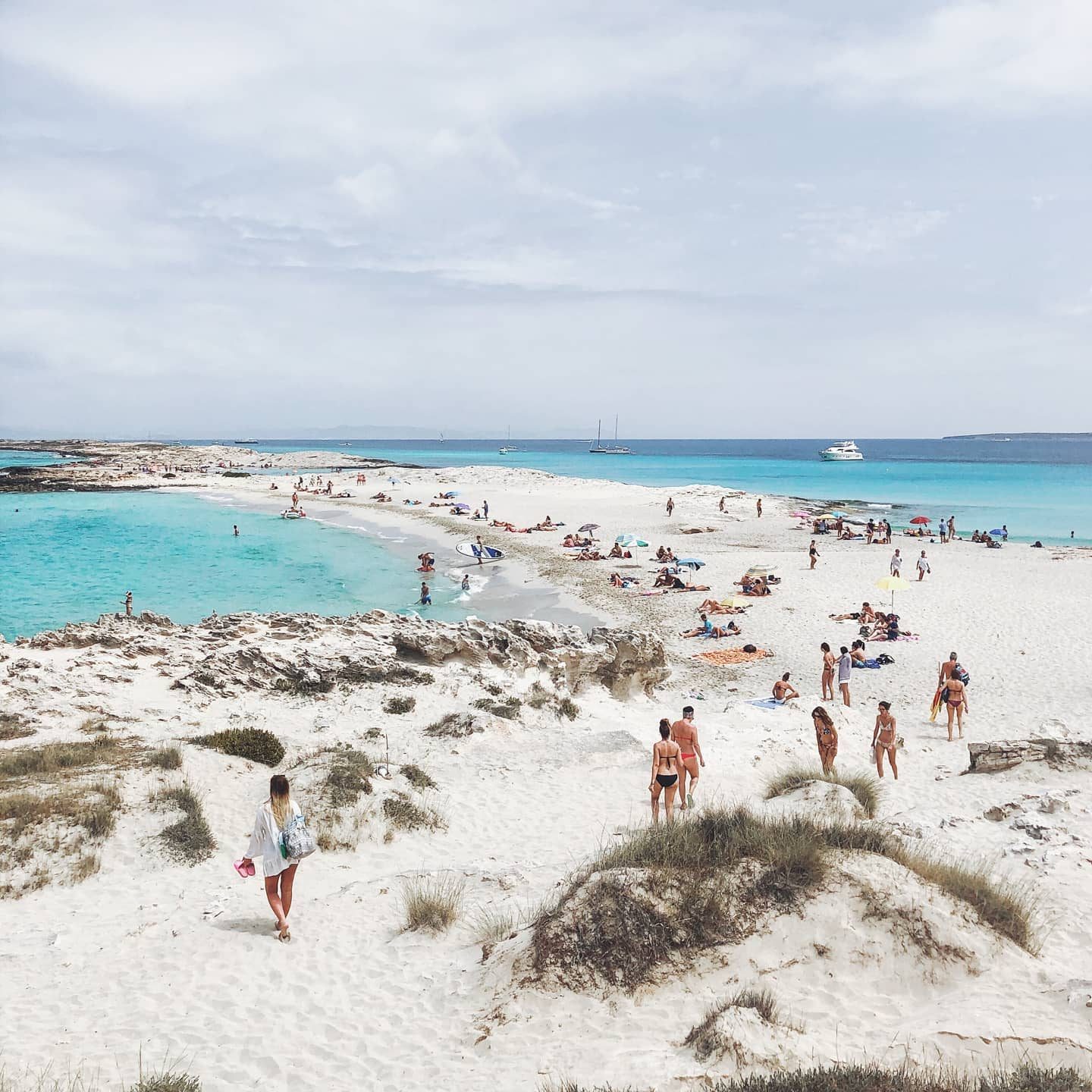
Ses Illetes. Photo: Isla Azul Formentera
Migjorn beach: five kilometres of south coast
On the south coast, Migjorn is the island’s longest beach, stretching for around 5 kilometres. It is a string of sandy and rocky coves (es Ca Marí, es Arenals, es Copinar…) that is usually sheltered from the prevailing summer winds, with shallow water and several beach bars and fish restaurants.
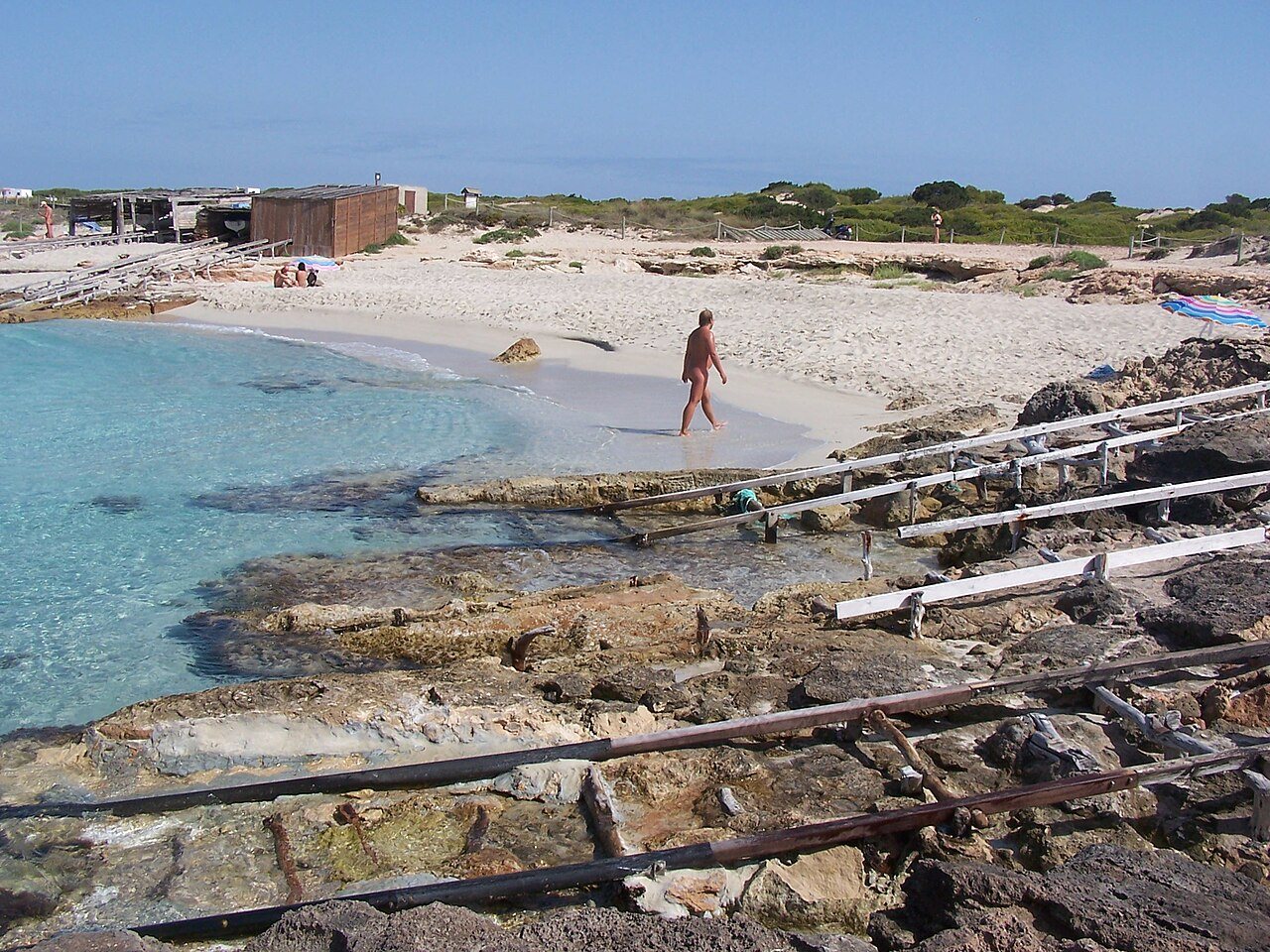
Migjorn beach. Photo: diluvi.com Anna i Adria, CC BY 2.0
Cala Saona: sand between the cliffs
On the west coast, Cala Saona is the only sandy beach along a stretch of cliffs. It is barely 140 metres long, with a sandy seabed and turquoise water. It’s a good spot for kayaking, paddleboarding and snorkelling, and one of the best places on the island to watch the sunset.
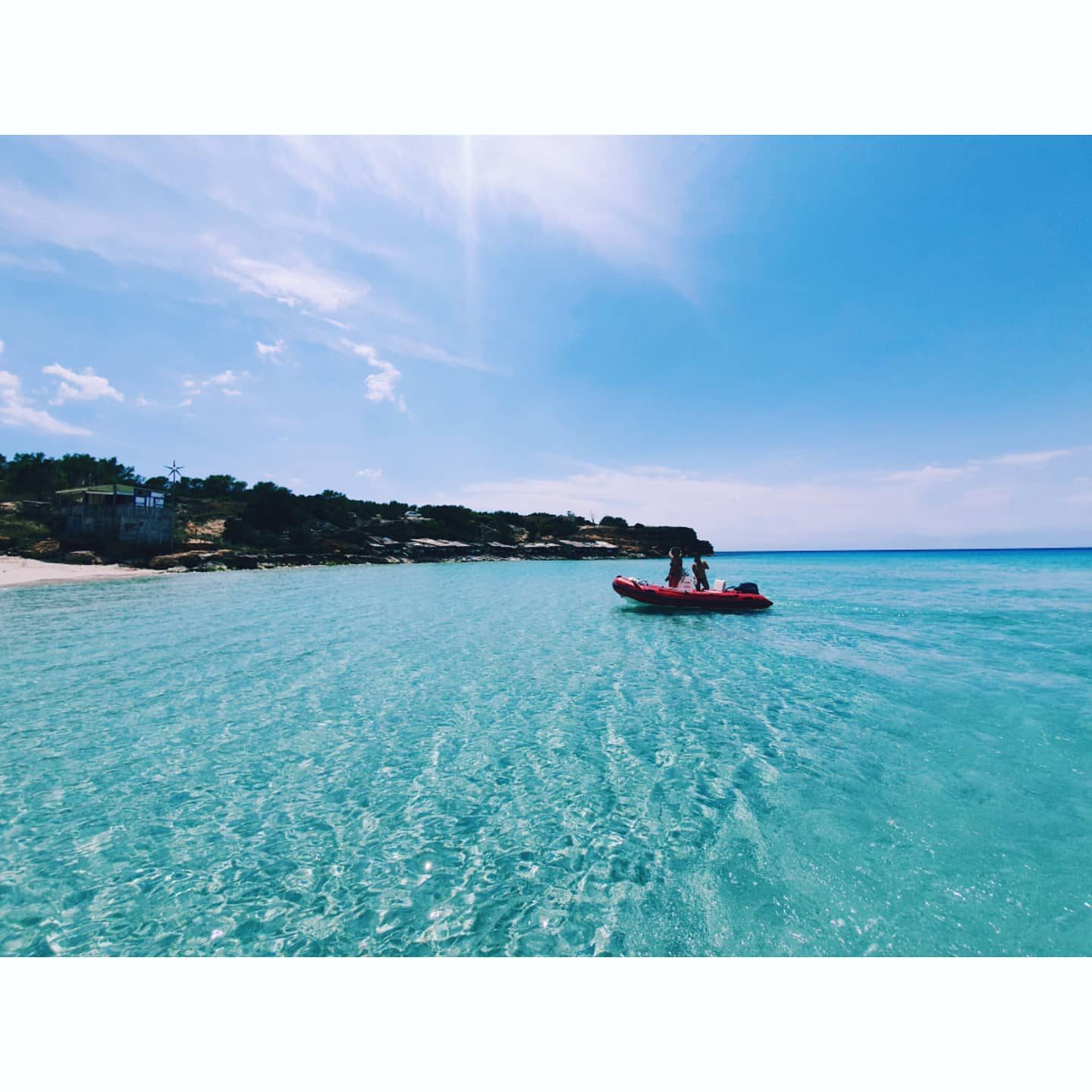
Cala Saona. Photo: Isla Azul Formentera
2. Walk or cycle the green routes
Formentera has 32 signposted green routes (circuits verds) covering more than 100 kilometres of country lanes, many of them suitable for cycling. It’s the most sustainable way to discover the island.
Camí de sa Pujada: from es Caló to la Mola
Also known as the Roman road, this is the old path that was used to climb up to la Mola before the present-day road was built. It runs for 4 kilometres from the small natural harbour of es Caló to el Pilar de la Mola. On foot it takes about 80 minutes; it is a demanding climb, but it rewards you with some of the best panoramic views on the island.
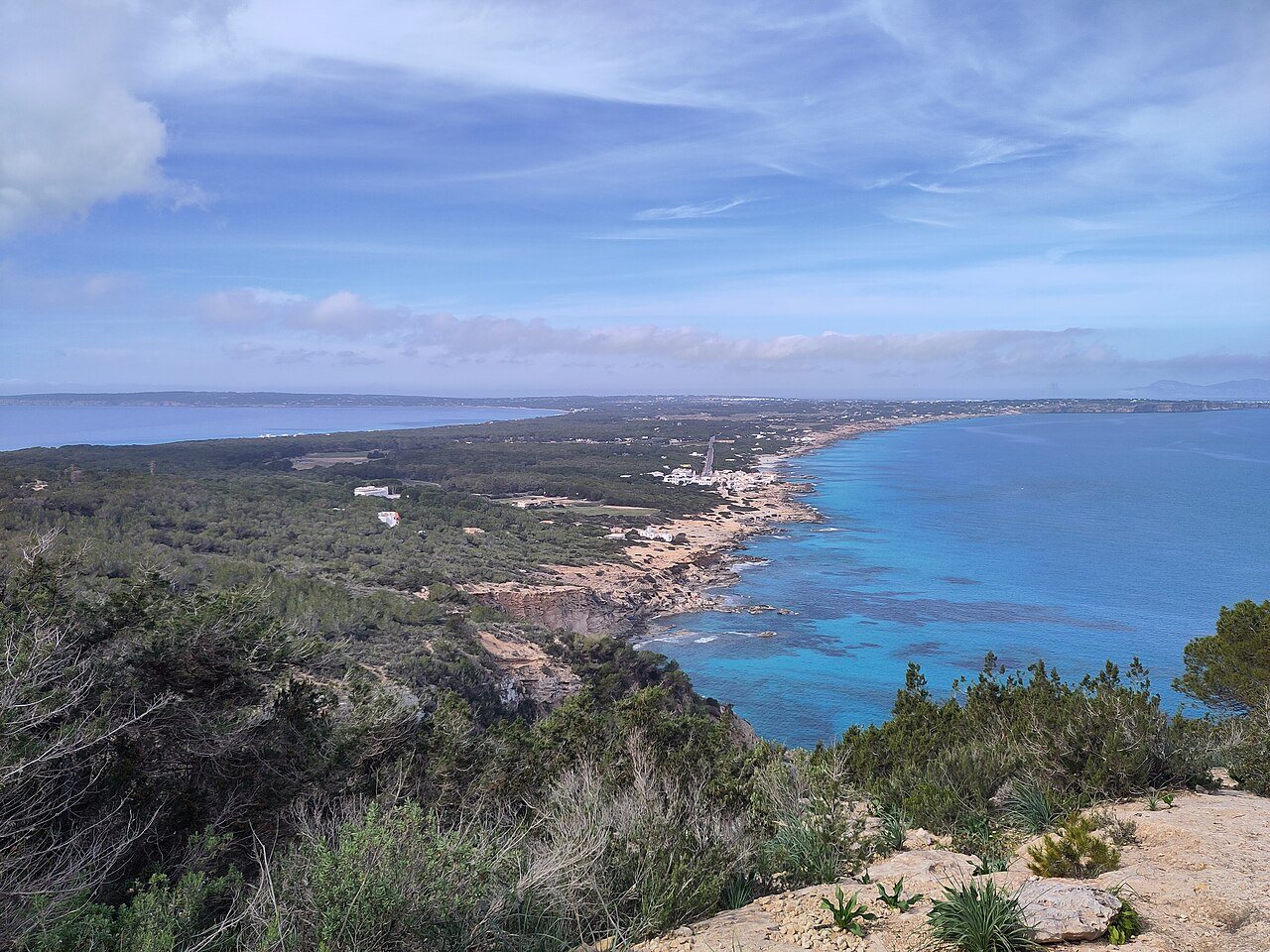
Camí de sa Pujada. Photo: Joan Gené, CC BY-SA 4.0
From Sant Francesc to the Barbaria lighthouse
This 9.6-kilometre route heads south from the island’s capital through almond groves, vineyards and fig trees enclosed by dry-stone walls. Towards the end the landscape turns arid and rocky until you reach the lighthouse. By bike it takes around an hour; on foot, almost three. From 15 May to 15 October access for cars and motorbikes is restricted: you park before the barrier and cover the last stretch on foot or by bike.
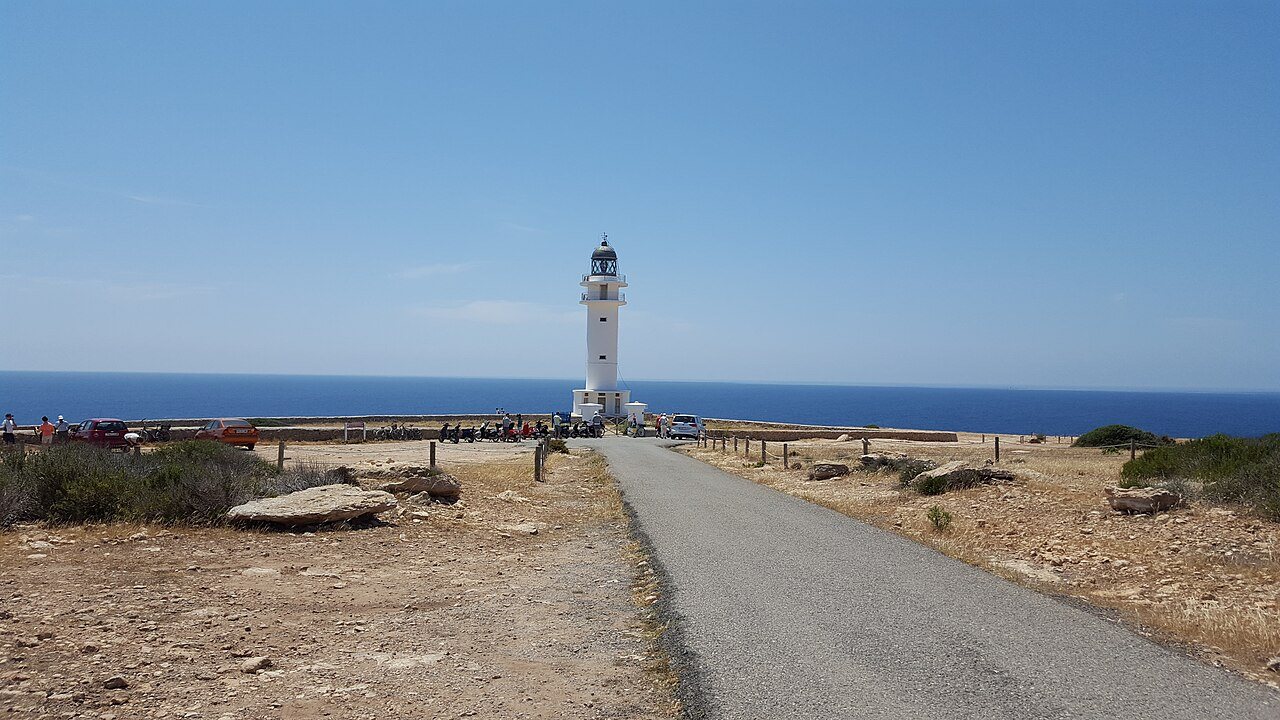
On the way to Cap de Barbaria. Photo: Formesar, CC BY-SA 4.0
3. Discover Formentera’s history at its lighthouses
Formentera’s lighthouses offer spectacular views and tell part of the island’s seafaring story.
La Mola lighthouse: in service since 1861
First lit in 1861, it stands at the eastern tip of the island, on top of a cliff some 120 metres high. Since 2019 it has housed a cultural space; it opens Tuesday to Sunday and closes in the depths of winter, so check opening times on the Formentera tourism website before you go. Next to the lighthouse is a monument to Jules Verne, who mentions it in his novel Hector Servadac. It’s an ideal place to watch the sunrise.
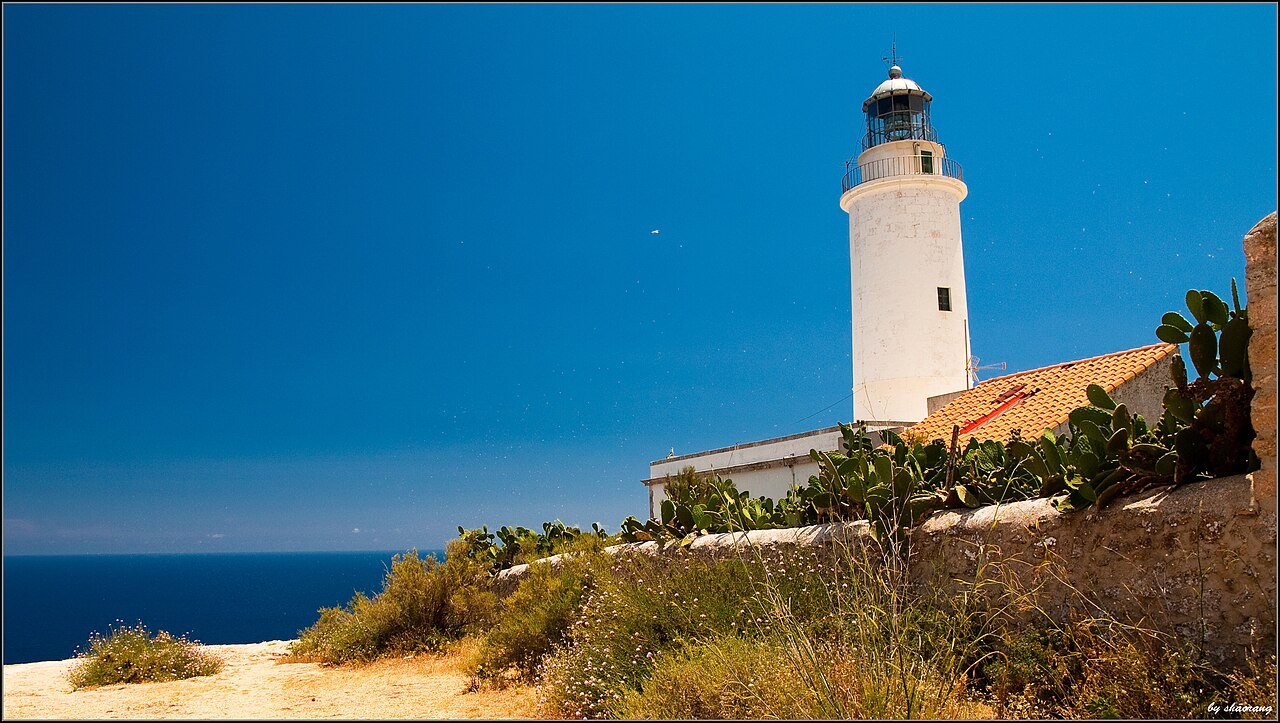
La Mola lighthouse. Photo: shaorang from Puerto de Santa Maria, Cadiz, España, CC BY-SA 2.0
Cap de Barbaria lighthouse: a film icon
It stands at the south-western tip of the island, on a cliff about 100 metres high, and appears in Julio Medem’s film Lucía y el sexo (Sex and Lucía). The road that leads to it crosses an almost desert-like landscape. At sunset, the sun goes down over the islet of es Vedrà.
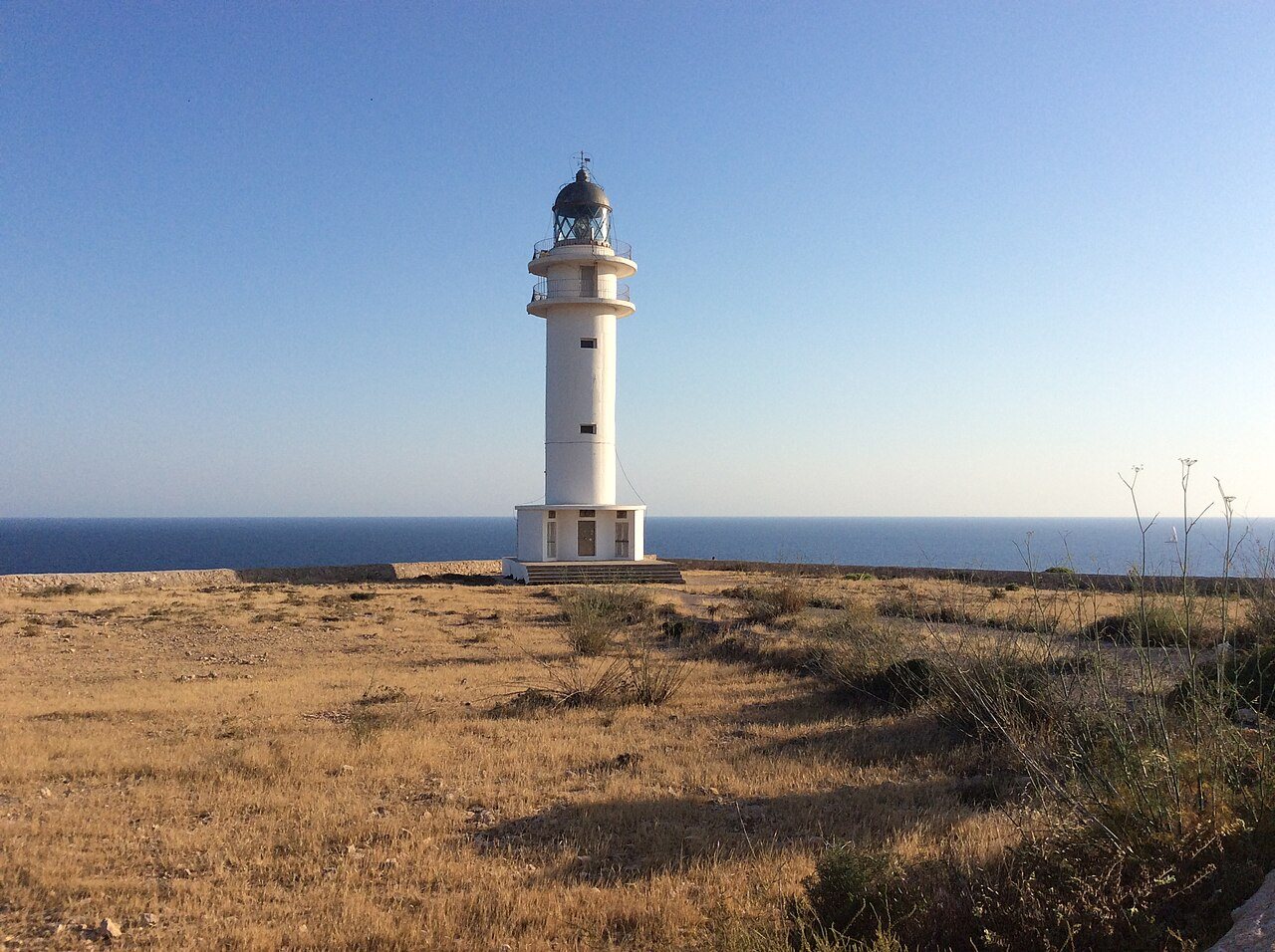
Cap de Barbaria lighthouse. Photo: Ciprianim, CC BY-SA 4.0
4. Get to know the island through its markets
Markets are a great way to discover Formentera’s crafts and local produce. Days and times vary with the season, so check them at the tourist office.
La Mola craft market
This is the best-known craft market on the island. It is held in el Pilar de la Mola on Wednesday and Sunday afternoons, from early May to 12 October, with local crafts and original work by island artists. You can combine it with a visit to la Mola lighthouse.
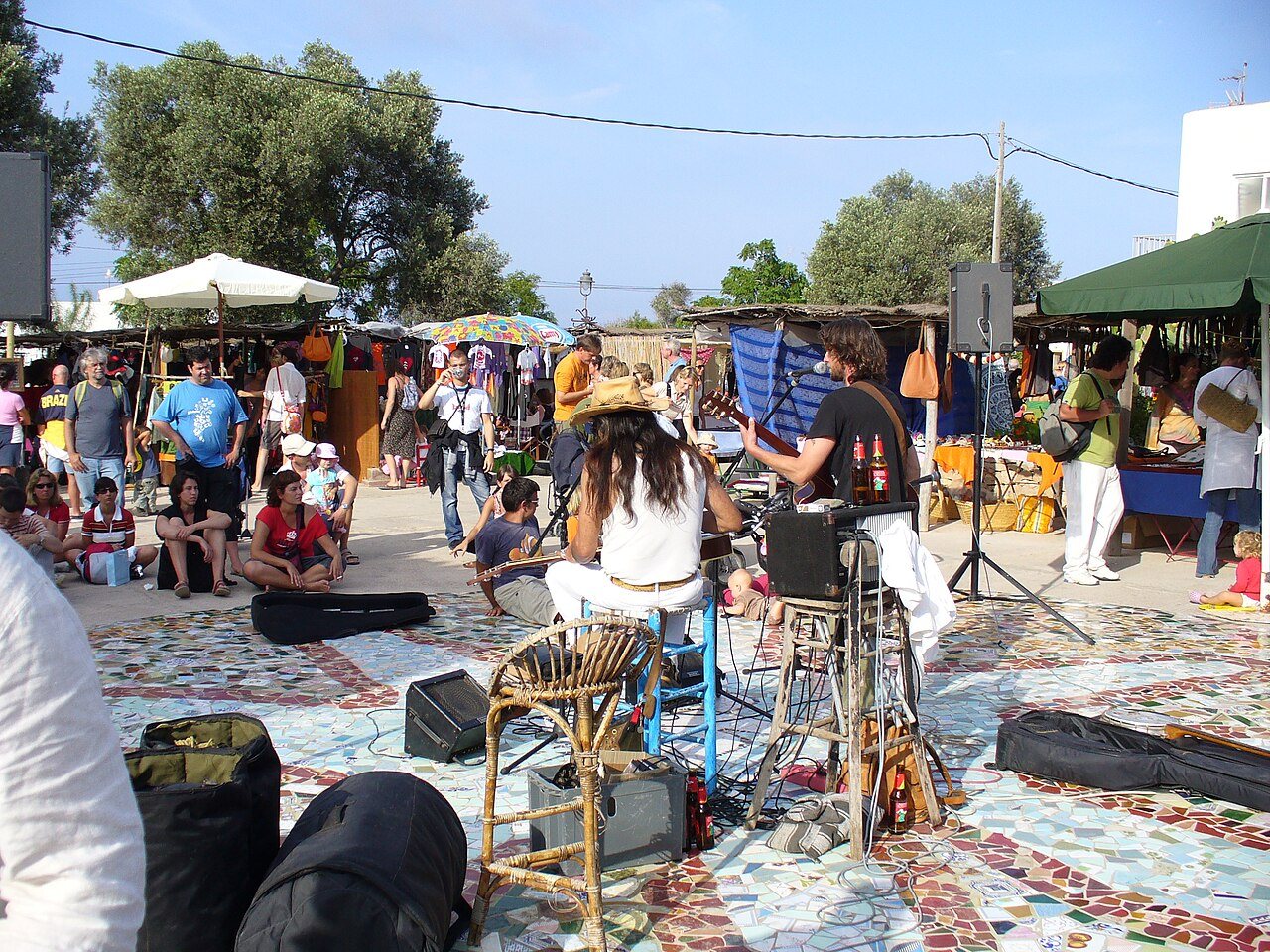
El Pilar de la Mola craft market. Photo: Samu from Alpedrete, Spain, CC BY 2.0
Sant Francesc markets
The capital has a craft market every morning during the season, and in July and August on some evenings too. For local produce, head to the Mercat Pagès at the Antoni Tur «Gabrielet» centre, where island producers sell fruit and vegetables, local meat and fish, honey, wine and Formentera olive oil.
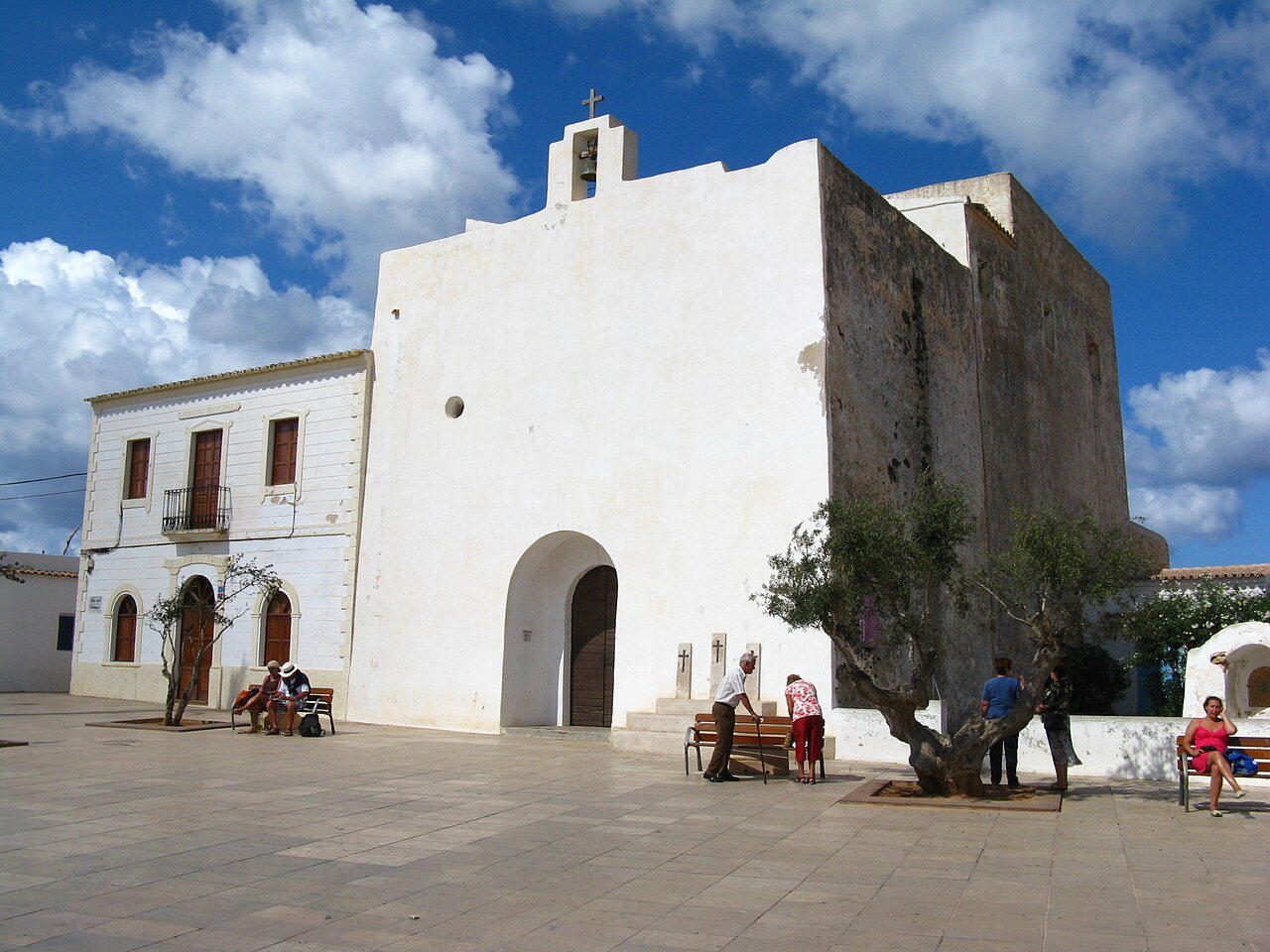
Sant Francesc Xavier square. Photo: Marcin Janeczek, CC BY 3.0
5. Snorkel and dive in crystal-clear water
The sea around Formentera is a paradise for snorkelling and diving. The water is so clear that you can easily make out the fish and the meadows of Posidonia oceanica, a seagrass that is protected in the Balearic Islands.
Es Freus Marine Reserve
Created in 1999, it protects the seabed between Ibiza and Formentera, covering almost all of the marine area of ses Salines Natural Park. Its vast Posidonia meadows are the heart of this ecosystem, and because fishing is limited it’s relatively easy to spot groupers. Scuba diving inside the reserve requires a permit from the Balearic Government; snorkelling and freediving are unrestricted, provided you carry no fishing gear.

Photo: Formentera Divers
Punta Rasa underwater caves
South of Cala Saona, the cliffs of Punta Rasa hide underwater caves that are well worth a visit. You can get there by sea and, if you anchor, always drop anchor on sand, never on Posidonia. To explore them on a dive, it’s best to go with a dive centre: we recommend Formentera Divers, the island’s leading dive centre. It’s based in la Savina, opens all year round and runs try dives, courses and guided dives.
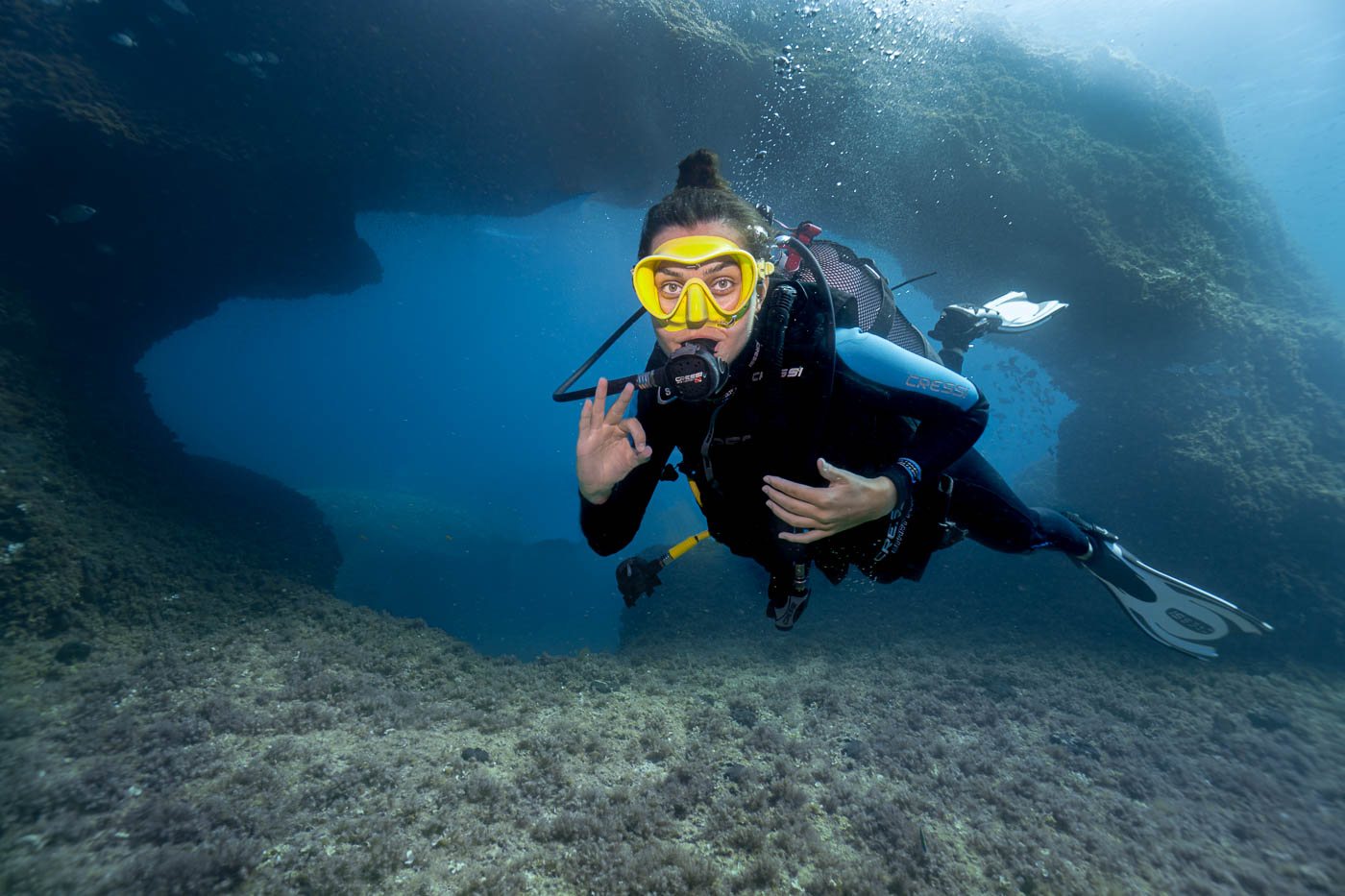
Photo: Formentera Divers
Tips for your excursions in Formentera
- Check the weather and sea conditions before any water-based activity.
- Wear comfortable clothes and bring water and sun cream: the sun in Formentera is strong even in spring.
- Book ahead for bikes, kayaks, dives or boats in high season, when demand is highest.
- If you hire a boat, remember that from 1 October 2026 you need a boating qualification to skipper it (at the very least, the licencia de navegación, which only allows daytime sailing); if you don’t have one, you can go out with a skipper. And in the Balearic Islands it is forbidden to anchor on Posidonia.
- Respect the environment: leave no rubbish behind and follow the signs on paths and protected beaches.
Formentera is the perfect place to switch off and reconnect with nature. Its excursions combine sea, history, food and unique landscapes. Ready to discover it?

